
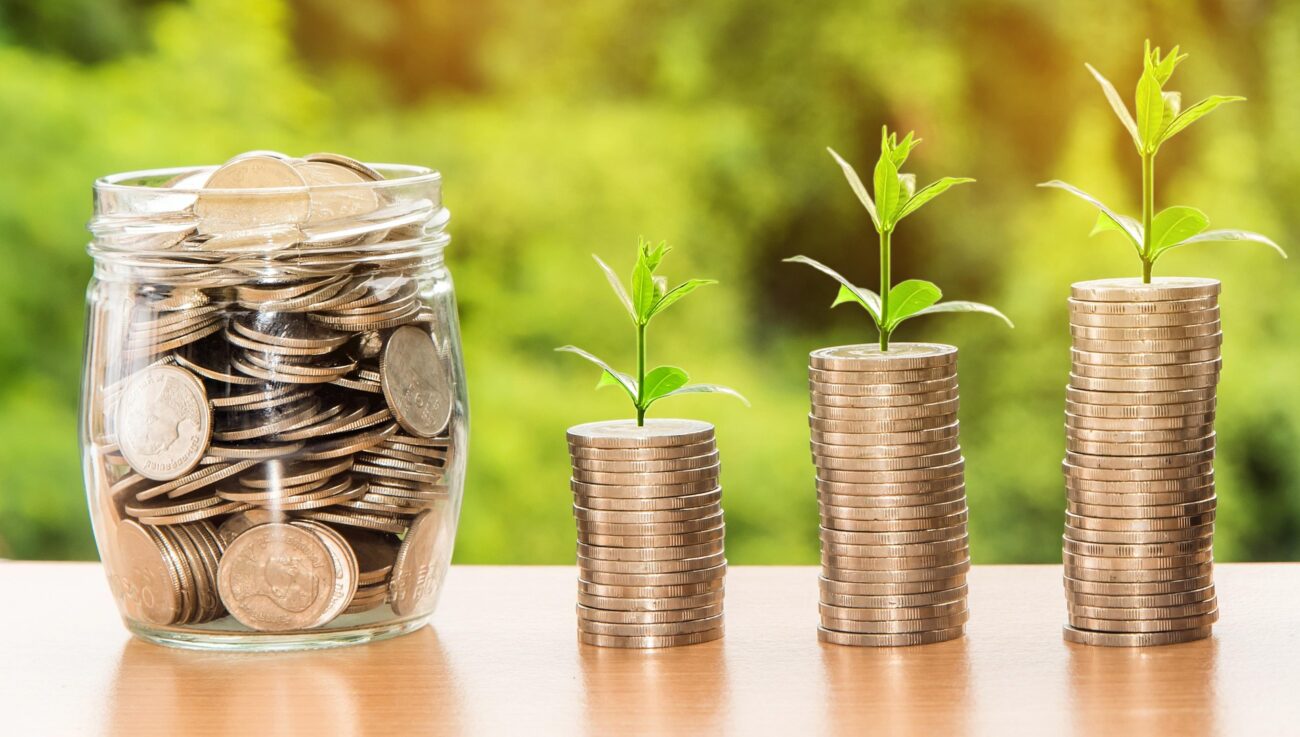
Saving money can sometimes feel like stuffing coins under your mattress and hoping they multiply overnight. But the truth is, where you park your money matters almost as much as how much you save. That’s where the debate between high-yield savings accounts and regular savings accounts comes in. If you’ve ever wondered whether your money is working as hard as it should—or if it’s just lounging in a digital hammock—this is your guide.
The Basics: What’s a Savings Account Anyway?
Let’s start with the basics. A regular savings account is what most people have at their local bank. You deposit money, earn a little interest, and it’s there when you need it. It’s safe, convenient, and usually linked to your checking account.
A high-yield savings account is similar in setup—safe, easy to access, and insured up to $250,000 by the FDIC—but the big difference is the interest rate. Think of it as the difference between your money sipping iced tea on the couch (regular savings) versus doing CrossFit in the morning and climbing mountains on weekends (high-yield savings). In other words, your money grows faster.
Why Interest Rates Matter
Interest is the magic ingredient in savings accounts. It’s what makes your money grow without you lifting a finger.
- Regular savings accounts: Traditionally, these offer an interest rate somewhere around 0.01% to 0.05%. That’s…pretty tiny. On $10,000 in a regular account, you might earn a whole $1 to $5 in a year. Hardly enough to buy a cup of coffee at the rates today.
- High-yield savings accounts: These can offer rates around 4%–5% (sometimes even higher, depending on the bank and market). That same $10,000 could earn $400–$500 in a year—suddenly, your money is working overtime!
The difference may not seem huge on smaller balances, but over time, and especially with consistent contributions, high-yield accounts can add up. It’s the difference between your money napping and your money running a marathon.
Pros and Cons of Regular Savings Accounts
Pros:
- Easy to open at most banks
- Often linked to your checking account for quick transfers
- Familiar and convenient for everyday banking
Cons:
- Very low interest rates mean your money barely grows
- Inflation can outpace your savings, effectively shrinking your purchasing power
- Not ideal for long-term growth
Pros and Cons of High-Yield Savings Accounts
Pros:
- Significantly higher interest rates help your money grow faster
- FDIC insured, so your money is just as safe as in a regular account
- Great for emergency funds or short-term savings goals
Cons:
- Usually online-only, which can feel less personal
- Sometimes withdrawal limits apply (often 6 per month due to federal rules)
- Some require a minimum balance to earn the highest rate
Who Should Use Which?
If you’re just stashing cash for everyday expenses—say, groceries or gas—a regular savings account is fine. It’s accessible, simple, and usually connected to your checking account for quick transfers.
But if you’re building an emergency fund, saving for a big purchase, or just want your money to work a little harder while sitting there, a high-yield savings account is usually the better choice. Your money isn’t doing flips in the bank’s backyard, but it’s definitely doing more than it would in a standard account.
Tips for Getting the Most Out of Your Savings
- Shop around: Don’t just settle for your current bank. Online banks often offer the best rates.
- Read the fine print: Some accounts advertise high rates but have strings attached, like minimum balances or limited withdrawals.
- Automate your savings: Set up recurring transfers so you’re consistently growing your money without thinking about it.
- Avoid withdrawals unless necessary: Let compounding do its work—frequent withdrawals slow down growth.
- Check rates periodically: High-yield rates can change with the market, so it’s smart to compare every once in a while.
The choice between a high-yield savings account and a regular savings account comes down to how hard you want your money to work. If you’re content with slow growth and easy access, a regular savings account is fine. But if you want to see your money grow at a faster clip, a high-yield account is the way to go—especially for emergency funds or short-to-medium-term goals.
In the end, the best account is the one that matches your needs while giving your money a chance to stretch its legs. Because let’s be honest: watching your savings actually grow is way more satisfying than staring at a near-zero balance year after year.
