
Homeowners Are Quietly Using This to Access Cash Without Selling Their Home
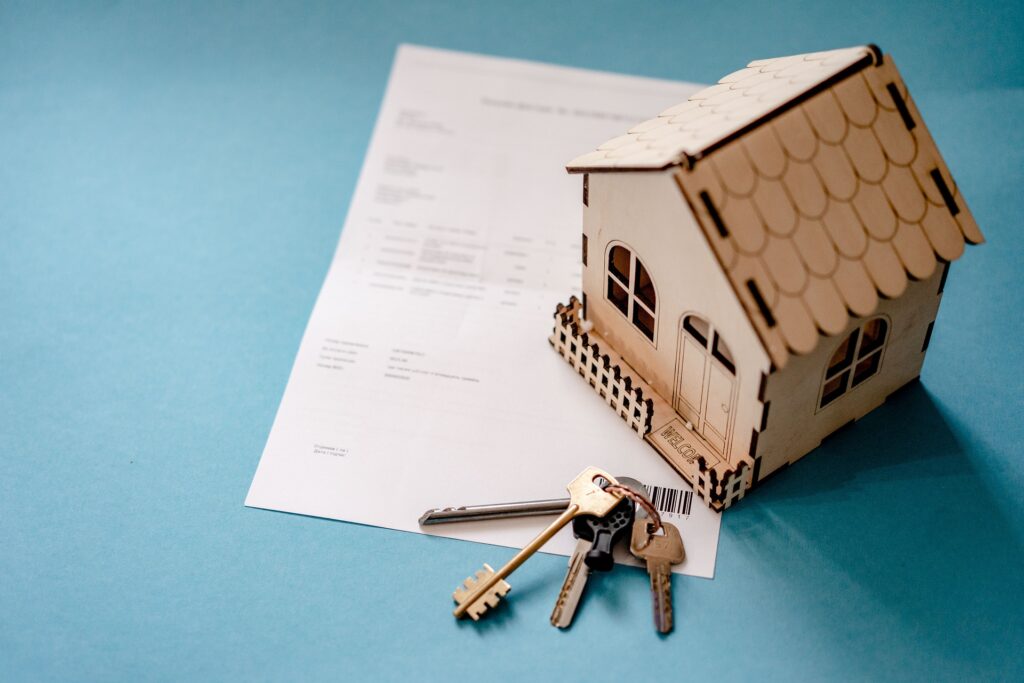
If you own a home, quick question.
Have you ever stopped to think about how much money is tied up in it?
Not money sitting in your checking account. Not money you can see on a screen. The kind that’s been quietly building while you live your life, make payments, and maybe even watch your home value rise.
That money is called home equity — and more homeowners are starting to realize they don’t have to sell their house to use it.
👉 See how much home equity you may be able to access today
The “Hidden Money” Most Homeowners Forget About
Here’s something no one really explains when you buy a home.
Each mortgage payment increases the portion of the home you actually own. Over time, that ownership adds up. That’s your equity — and it can often be turned into cash through a home equity loan.
It’s not a loophole. It’s not new. It’s just rarely talked about outside financial circles.
And for many homeowners, it’s becoming a go-to option when they need flexibility without chaos.
👉 Check if you qualify for a home equity loan here
What Is a Home Equity Loan (Without the Finance Speak)?
At its core, a home equity loan lets you borrow against the part of your home you already own.
You receive:
• A lump sum of cash
• A fixed interest rate
• One predictable monthly payment
No revolving balances. No surprise changes. No juggling multiple bills.
For people who like structure and clarity, this is often what makes it appealing.
👉 See estimated loan options based on your home
Why Homeowners Are Choosing This Over Other Loans
Let’s be honest — most people don’t want another loan.
What they want is relief.
Credit cards can quietly spiral. Personal loans often come with higher rates and shorter terms. Home equity loans tend to stand out because they’re backed by something you already own.
That’s why homeowners commonly use them to:
• Pay off high-interest credit cards
• Renovate or repair their home
• Handle medical or emergency expenses
• Help with education costs
• Create breathing room in their monthly budget
It’s less about spending — and more about using money more efficiently.
👉 Find out what your home equity could be used for
What the Process Actually Looks Like
This part surprises people the most.
Typically, the process looks like this:
- A lender reviews your home’s value
- They look at what you still owe on your mortgage
- They calculate how much equity you may be able to borrow
- If approved, you receive the funds in one payment
From there, you repay the loan over time at a fixed rate.
No guessing what next month’s bill will be. No moving targets.
👉 Start a quick eligibility check here
“Is This Even Something I Should Consider?”
A home equity loan may make sense if:
✔ You own your home and have built equity
✔ You want predictable payments
✔ You need funds for a specific purpose
✔ You’d rather avoid high-interest debt
It’s not for everyone. But for many homeowners, it’s one of the more straightforward financial tools available.
👉 See if this option fits your situation
Why People Are Looking Into This Now
Many homeowners put this off because they assume:
“I probably don’t have enough equity.”
“I’ll look into it later.”
“I don’t want to talk to a lender.”
But checking your options doesn’t mean committing. It just gives you clarity — and clarity tends to reduce stress.
Home values, rates, and lending rules change. Knowing where you stand now puts you back in control.
👉 Check current home equity loan options
How Much Could You Actually Access?
That depends on:
• Your home’s current value
• Your remaining mortgage balance
• Your financial profile
Some homeowners qualify for smaller amounts. Others are surprised by what’s available.
You don’t have to guess.
👉 See how much cash your home may unlock
Let Your Home Work for You
You’ve already invested years into your home.
A home equity loan is one way homeowners are using that investment to make life a little easier — without selling, downsizing, or starting over.
👉 Explore home equity loan options now — no obligation
Sometimes the smartest financial move isn’t earning more money.
It’s using what you’ve already built.